 Skip to content
In 2017, there are many different ways to practice sustainable living at home. Individuals often use less water, think twice about who they are purchasing goods from, and reuse as many things as possible. Recycling at home also falls under the sustainable living umbrella, and is a relatively easy thing to do. Most communities offer their residents different ways to recycle paper, plastics, metals and used electronics, and many individuals actively use those resources.
Recycling
Recycling at home is an easy way to contribute to creating an environmentally sustainable community. However, if you were at an Arlington, VA local park, it wouldn’t be so easy as your recycling options would be extremely limited. Keep America Beautiful (KAB), a nonprofit organization that educates and encourages individuals to take care of their local environment, found that “only 12 percent of surveyed public locations had recycling infrastructure in place to recover the containers.”
KAB and the Dr. Pepper Snapple Group (DPS) have developed a partnership that offers grants to local governments and community organizations to help them purchase new recycling bins. In its fifth year, the program has awarded 3,400 recycling bins to organizations in 38 states. Vicki Draughn, vice president of corporate affairs for DPS, explained that “providing choices and options is central to our commitment to our consumers. That not only means making and selling a wide range of the brands they love but also increasing the convenient recycling options available to them in their favorite parks and community spaces.”
Placing additional recycling bins in public spaces such as parks, stadiums, airports, building lobbies and office break rooms is a great way to keep building sustainable communities in Arlington, VA.
Energy
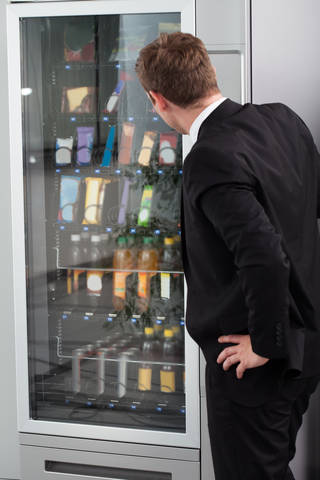
 A different, but just as important, approach to reducing the use of important resources is to consider different ways to decrease energy consumption, especially in the office environment. Reevaluating the different types of equipment and appliances, such as computer monitors, copy machines, and vending machines, from an energy usage point-of-view will provide a more complete picture of the cost of each item. Choosing equipment that meets Energy Star ratings will not only lower electricity costs over the life of the machine, but it will also use less energy. That’s a plus for both the company’s bottom-line and the environment.
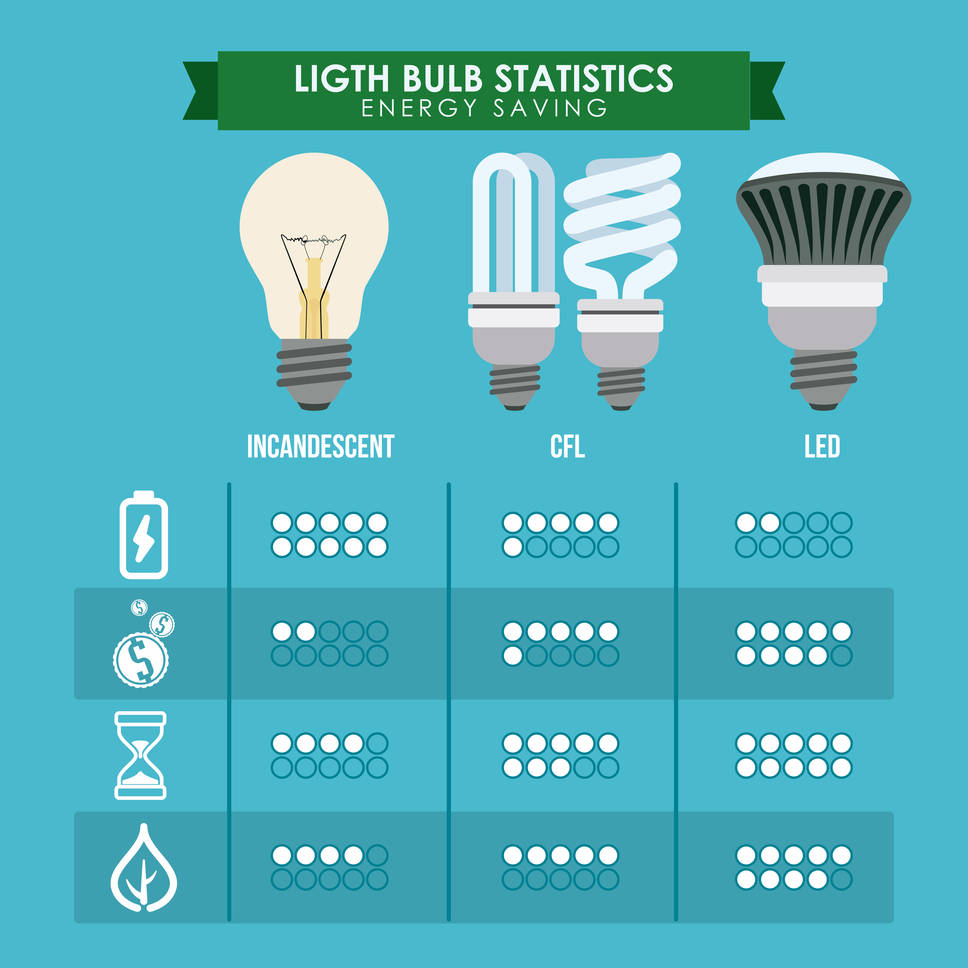
Another way to decrease energy usage is to determine which type of light bulbs are currently being used. Switching away from incandescent and fluorescent bulbs to light-emitting diode (LED) light bulbs will not only decrease energy consumption but will also likely decrease energy costs. Unlike most lighting features that turn off when not in use, lighting in vending equipment remains on. Compared to other types of light bulbs in vending machines, LED light bulbs emit light in a specific direction without substantial loss of light, and emit less overall heat—two positive features. The U.S. Department of Energy states that “today’s LED bulbs can be six-seven times more energy efficient than conventional incandescent lights and cut energy use by more than 80 percent.” Regardless of how you look at it, that’s a positive impact.
Whether you offer your Arlington, VA employees recycling bins throughout the office, or healthy snacks and beverages from Energy Star vending machines in the break room, your organization is helping to create a more sustainable community. To learn more about our state-of-the-art vending equipment and product offerings, contact SunDun Office Refreshments at 800.466.2731.
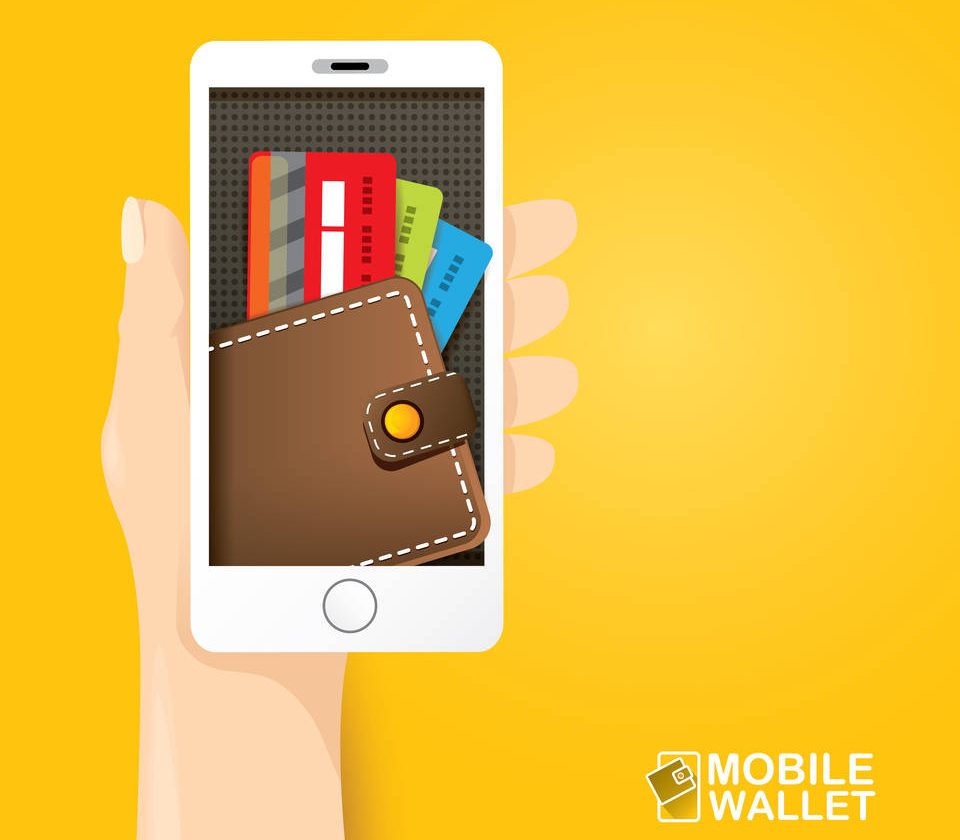
 Do you use a mobile wallet? If you do, you are part of a segment of the population that is moving toward a cashless society. A June 2016 Gallop Poll found that fewer Americans are using cash for purchases today than they did five years ago. In November 2016, Capital One surveyed 1,805 individuals and found that 24.4% of the participants use a mobile wallet for purchases, and 63.3% of those individuals adopted the technology during the past year. That leaves 76.7% of those who participated in the study who do not use a mobile wallet. Another way to look at it is that there are 1,364 potential new mobile wallet users in the Capital One survey. Or 1,364 potential vending machine users in Washington D.C. that could purchase a